
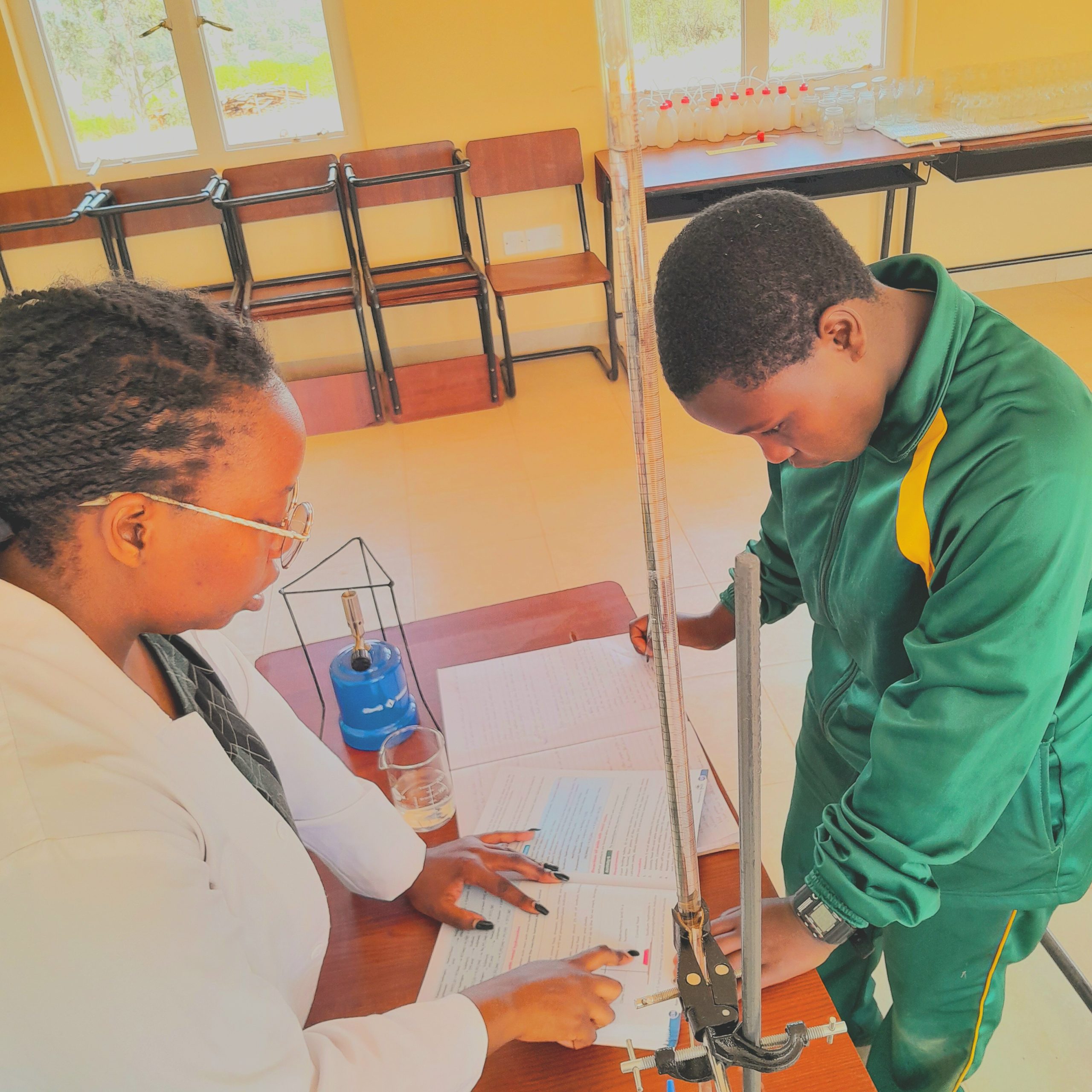
Learning for Life

A Competency-Based Curriculum for Future-Ready Girls

Our Curriculum Overview

Competence-Based Curriculum

The goal of this curriculum is to develop an effective, efficient, and occupation-specific learning framework that equips learners with practical competencies for academic growth, career readiness, and lifelong success.

A competency-focused approach ensures that learners not only progress academically but also graduate with the skills, confidence, and adaptability required for the workforce. By aligning learning with current and future labor-market demands at local and global levels, the curriculum prepares learners to meet their own needs and contribute meaningfully to their communities.

Competency-Based Instruction

Competency-based instruction focuses on mastery of clearly defined competencies or skills that reflect the course content. Learners demonstrate competence by applying knowledge to meaningful, real-world tasks (Wiggins, 1990).

This learner-centered approach supports the development of lifelong learning skills and prepares students to succeed in the demands of the 21st century.

Understanding Competence

Competence is a cluster of skills woven together into an integrated whole. These skills include cognitive, practical, and social abilities that enable learners to think critically, act effectively, and collaborate successfully.

Cognitive Skills

Analyzing, interpreting, designing, evaluating, creating, planning, and troubleshooting.

Practical Skills

Analyzing, interpreting, designing, evaluating, applying knowledge through hands-on learning, mentorship, teamwork, and real-world experience.

Social Skills

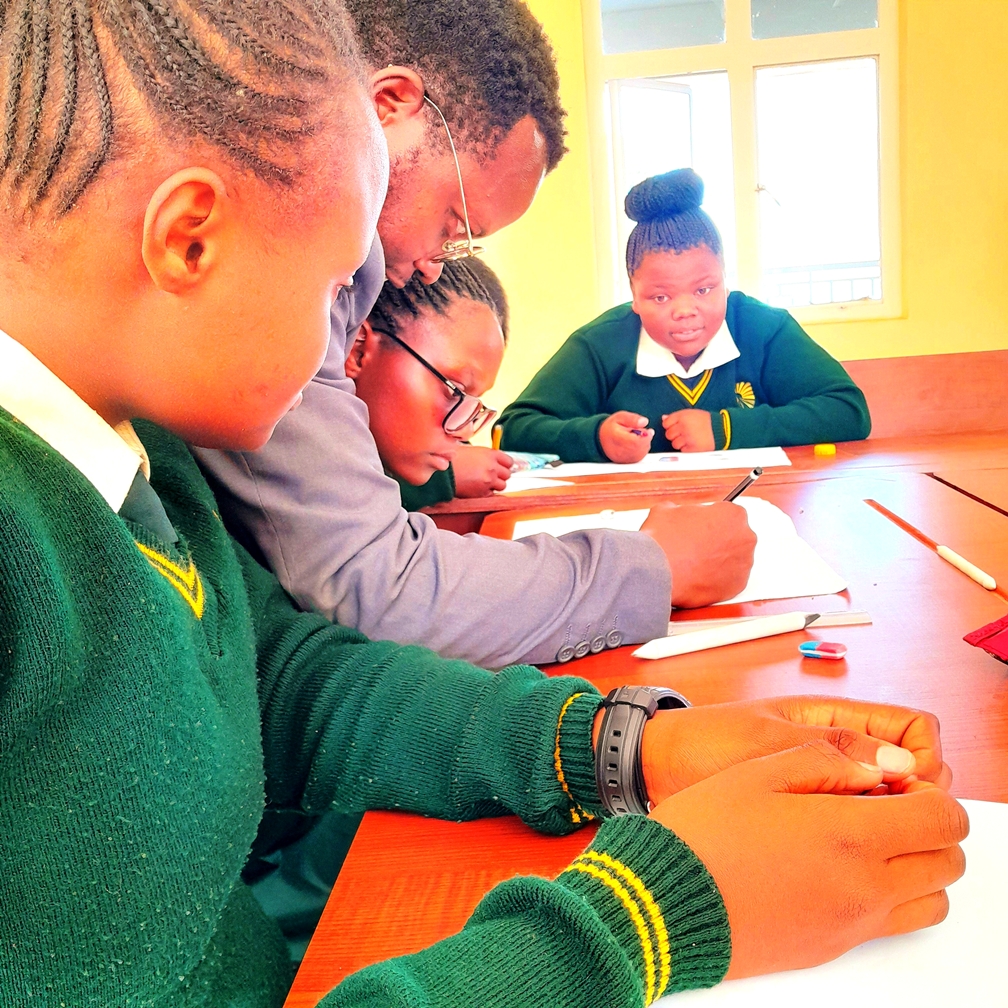
Communicating effectively, collaborating with others, and developing responsibility within a community.

classroom groupwork3.jpg

Skill-Based Learning

Skill-based learning emphasizes the development and application of specific skills and behaviors. Learners spend much of their training time practising these skills in hands-on, real-life situations. This approach requires sufficient time for practice and application, beyond theory and memorization. Its ultimate goal is to help learners gain proficiency, confidence, and the ability to apply their skills competently in the workplace.
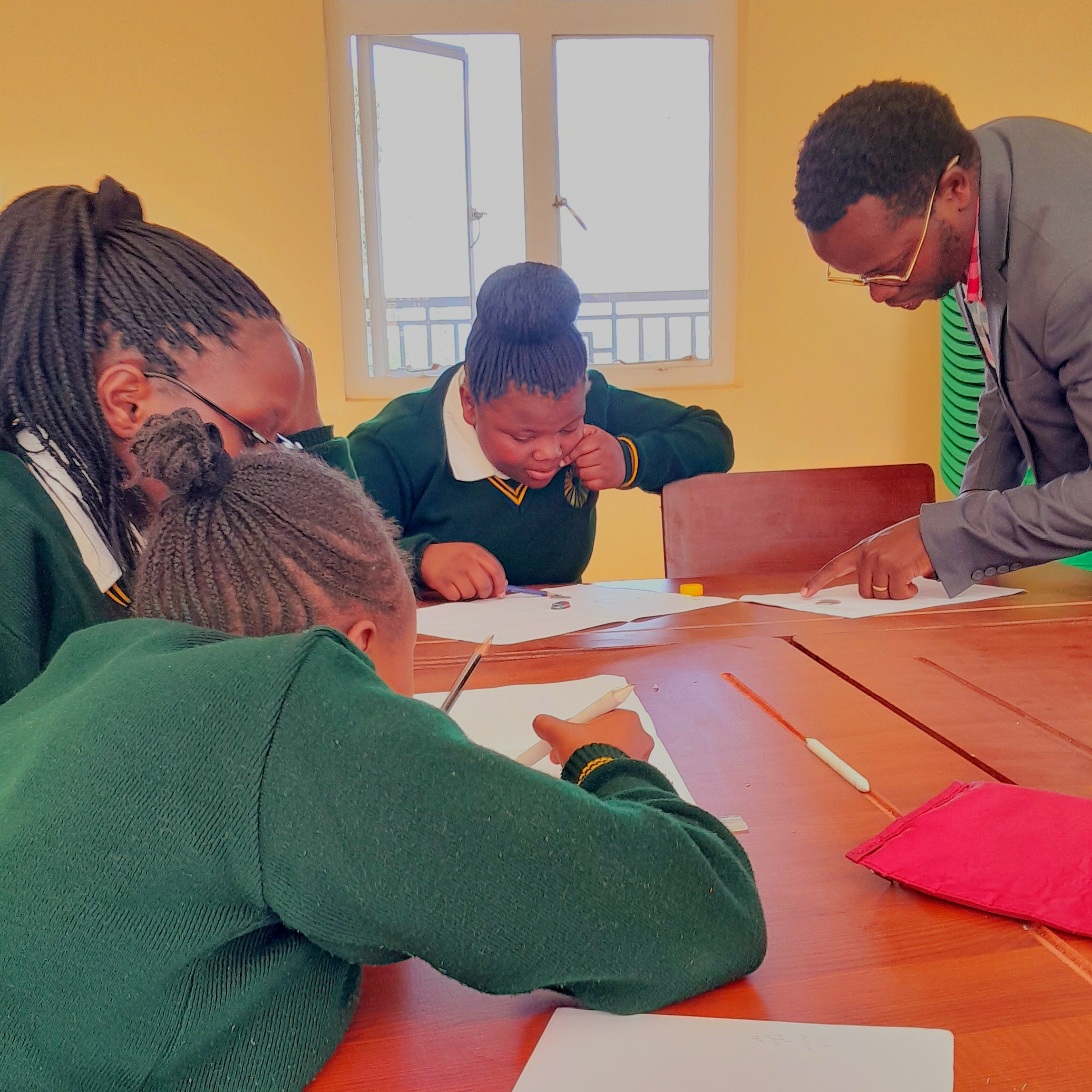
classroom groupwork2a

Top of the Hill School Reform Framework

Top of the Hill Junior and Senior Girls School adopts a comprehensive, learner-centred, performance-mastery reform framework. Rather than relying on a teacher-driven, one-size-fits-all system, the school is designed to prepare learners for individual career pathways, college readiness, and life success. The framework is grounded in the belief that all children can learn and that schools can create the conditions needed for students to master required content and apply it in real-life contexts (Marzano, 2007; Marzano, 2000; Good & Brophy, 1986).
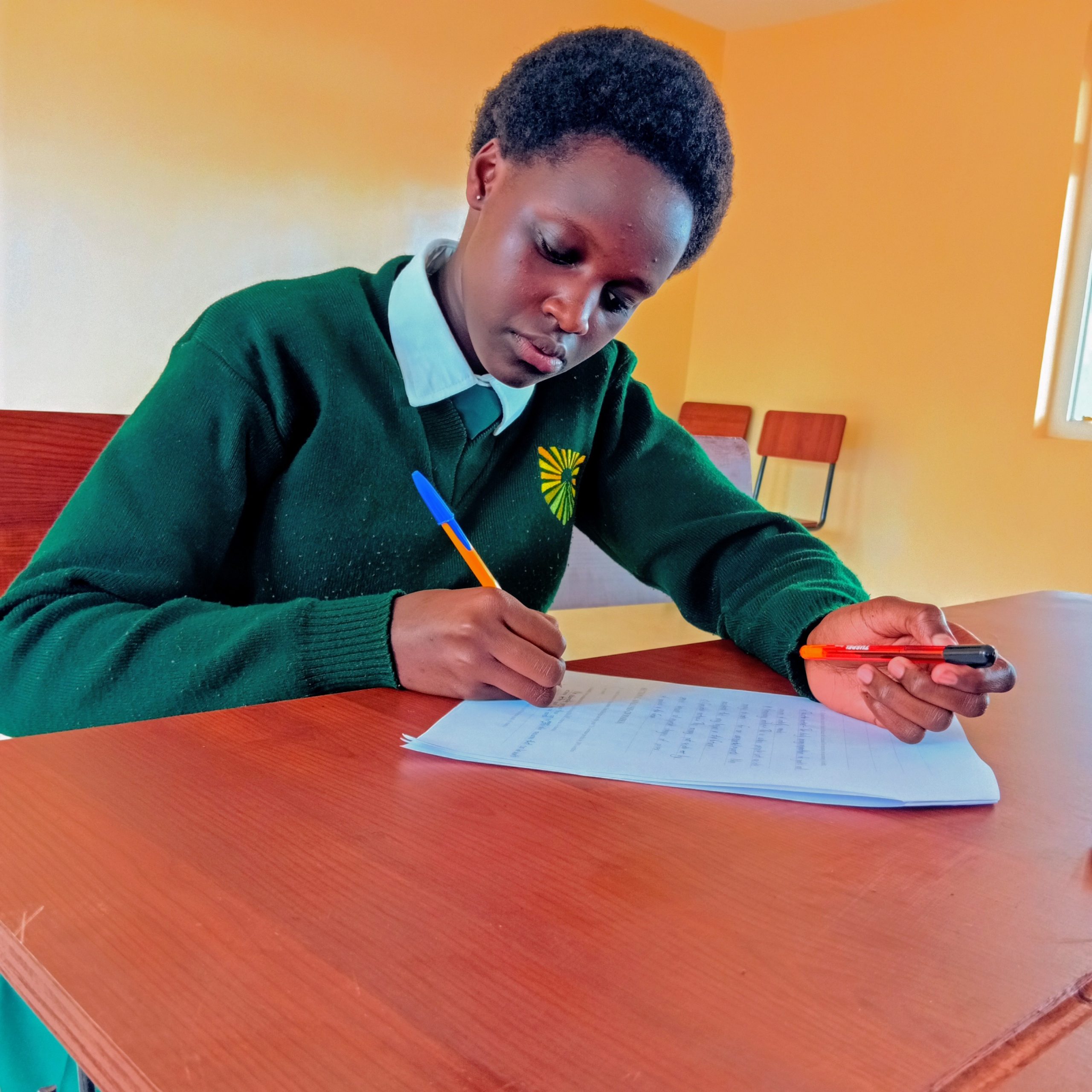
damaris.jpg

Learning Experience and Holistic Development

The curriculum provides a unique learning experience with a strong focus on learning beyond the classroom. It is designed to build learners’ confidence, communication, teamwork, competence, concentration, and creativity. Learners will develop practical skills, personal responsibility, self-reliance, and social responsibility. This holistic approach will be reinforced through a strong built-in mentoring program.
why 001a

Graduate Outcomes

  • Demonstrate skills and competencies that respond to local, national, and global market demands.
  • Apply competencies that support future national goals and meet changing human needs.
  • Benefit from teaching staff trained in competency-based curriculum theory and interactive, participatory teaching and learning methods.
  • Top of the Hill Required Competencies

    Effective Communication Skills

    The curriculum will enable graduates to express their needs, opinions, and preferences clearly and respectfully. Learners will practise objective listening, message clarification, and effective feedback, strengthening their interpersonal competence.

    Creative and critical thinking

    Creativity and critical thinking are interrelated and complementary. This competence includes generating ideas, processes, experiences, or products; evaluating them thoughtfully; and making timely, sound decisions. These skills support self-directed, self-motivated, and independent learners.

    Numeracy and technology

    Graduates are expected to master basic mathematical and numeracy skills, which support learning across all subject areas. They will also learn to use technology appropriately, responsibly, and sustainably.

    Key Techniques of the Competency-Based Approach

    Learner-Centered Approach

    Learner-centered education extends beyond academic knowledge to support the whole learner. Each student’s work will be documented in an individual learning plan, created and updated during each learning unit with the learning team, including the student, advisor, and, where possible, an internship mentor.

    The student’s learning experience, including curriculum, learning environment, use of time, workshop choices, and depth of investigation—will be shaped by individual interests, talents, and needs. This approach provides the right balance of challenge and support while encouraging learners to take ownership of their education through meaningful real-world and school-based experiences.

    The outdoor environment offers a challenging, dynamic, and stimulating space for learning. Outdoor learning will take place in and around the natural environment, with activities designed to encourage creativity, self-guided learning, independence, and self-esteem.

    These experiences can help instill a strong work ethic, ethical responsibility, motivation, and citizenship, preparing learners to become positive role models and productive members of society.

    Project-based learning enables students to gain knowledge and skills by working over an extended period to investigate and respond to a complex question, problem, or challenge.

    Core features of project-based learning include:

    • Knowledge, understanding, and success skills: Projects focus on learning goals, including standards-based content and skills such as critical thinking, problem-solving, collaboration, and self-management.
    • Challenging problem or question: Each project is framed around a meaningful problem to solve or question to answer at an appropriate level of challenge.
    • Sustained inquiry: Students engage in a rigorous, extended process of asking questions, finding resources, and applying information.
    • Authenticity: Projects reflect real-world contexts, tasks, tools, quality standards, or impact, or they connect with students’ personal concerns, interests, and experiences.
    • Student voice and choice: Students make decisions about aspects of the project, including how they work and what they create.
    • Reflection: Students and teachers reflect on learning, inquiry processes, project activities, quality of work, obstacles, and ways to improve.
    • Critique and revision: Students give, receive, and use feedback to strengthen their processes and products.
    • Public product: Students share their project work by explaining, displaying, or presenting it to an audience beyond the classroom.

    Learners become proficient by practising under the supervision of experts and by being immersed in relevant professional environments. Through mentoring, learners interact regularly with adults in the professional world and gain exposure to a broader range of role models.

    Projects will be connected to students’ interests and aligned with mentors’ real-world needs. This connection will deepen student learning, strengthen academic growth, and create meaningful pathways between school and work.

    Viverra maecenas accumsan lacus vel. Risus ultricies tristique.

    Practical and Skill-Based Subjects at Top of the Hill School

    Our Classes

    Agriculture

    The farm will serve as an outdoor classroom where learners grow food and care for livestock. Students will study soil science, plant science, weather patterns, and the effects of climate change. Harvesting, storage, and marketing farm produce will also introduce learners to food processing, business, and entrepreneurship.

    Home Science

    Home Science will connect closely with agriculture through fruit and vegetable gardening and the study of nutrition. Learners will gain practical experience in food production, harvesting, storage, preparation, and hospitality principles.

    Art & Design

    The Art and Design unit will include fine art, clothing construction, tie-and-dye, design, and marketing. The construction of the school uniform will serve as a practical learning lab for developing design, production, and entrepreneurial skills.

    Computer Science

    Every student will be introduced to computer science and the practical use of digital tools to support learning, creativity, communication, and future career readiness.